Tap to view full screen
A Comprehensive Guide to the Noble Tibetan Mastiff
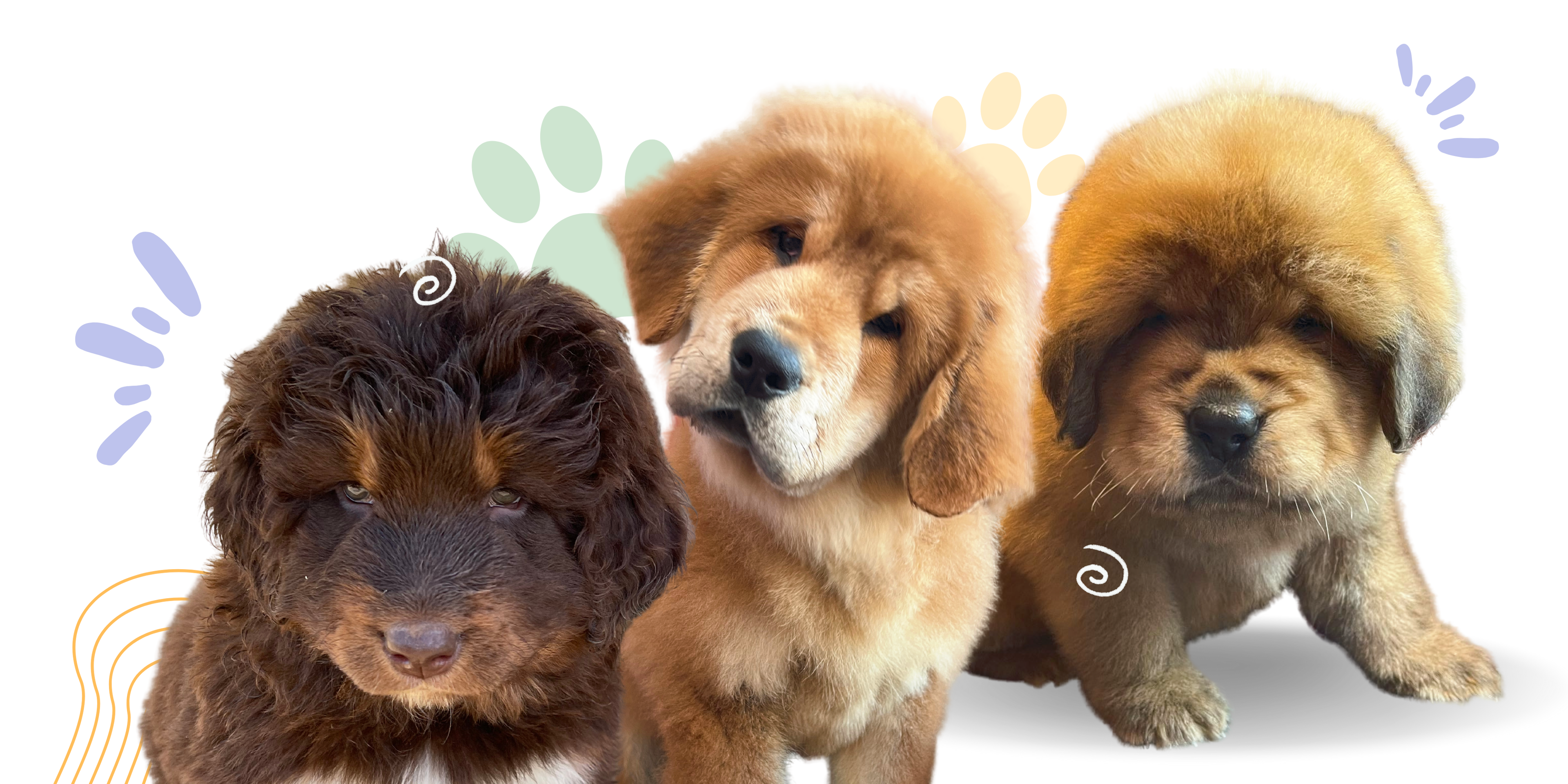
Tibetan Mastiffs are impressive and noble-looking dogs, boasting an extremely dense double coat and a large, bushy tail that they carry over their backs. For centuries, these imposing dogs have earned the reputation of legendary guardians in their native Himalayas. This guide explores everything you need to know about this magnificent breed.
A Journey Through History
Although the true origins of the Tibetan Mastiff have been lost to time, it is known that their ancestors existed in Tibet for centuries, making them one of the oldest purebred dogs on the planet. In their native Tibet, they are called "Do-Kyi," which translates to "Tied Dog," a reference to them being tied at the entrances of the temples and homes they guarded. The breed was officially recognized by The Kennel Club in the 1930s, and today, these impressive dogs remain quite rare but are gaining popularity.
Interesting Facts
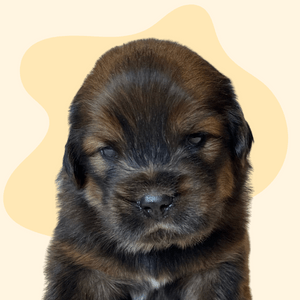
- A Tibetan Mastiff recently sold for a record price, making it the most expensive dog in the world.
- TMs love the cold and will play in the snow for hours.
- They tend to go into "protection mode" at night.
- They mature very slowly and remain very puppy-like well into old age.
Majestic Appearance
The Tibetan Mastiff is a powerful-looking dog with plenty of bone and a thick, long double coat. Males have a more pronounced mane than their female counterparts. They have broad, heavy heads, and their tail is one of the breed's defining features, beautifully feathered and curling over their back. Acceptable colors include Black, Black & Tan, Gold, Gray, and various combinations.
"When a Tibetan Mastiff moves, it does so with a free and powerful gait, always with tremendous agility and purposefulness."
Temperament & Training
The Tibetan Mastiff is known for being fiercely loyal, protective, thoughtful, and calm. However, they are not the best choice for first-time owners. They need proper socialization and firm, fair training from an early age to understand their place in the "pack." They respond well to positive reinforcement but have a stubborn streak and a high prey drive, so off-leash walking requires caution.
Health and Lifespan
The average life expectancy of a Tibetan Mastiff is between 9 and 15 years. Like many large breeds, they are known for a few hereditary health problems, including hip and elbow dysplasia, eye problems, and thyroid deficiencies. Responsible breeders will test their stud dogs for these conditions. It's also worth noting that female TMs usually only come into heat once a year, typically in the fall.
Grooming and Care
Despite their heavy coats, grooming isn't difficult as their fur isn't prone to matting. A twice-weekly brushing is usually sufficient. They shed their undercoat once a year, requiring more frequent brushing during that time. TMs need at least an hour of exercise a day but should not be overexerted in hot weather due to their dense coats.
Bringing a TM Home
If you're looking to buy a Tibetan Mastiff, you may need to be placed on a waiting list and can expect to pay a significant amount for a purebred puppy. The cost of care, including food, insurance, and veterinary bills, is also substantial. This is a 15-year commitment to a magnificent but demanding breed, a decision that deserves expert, heartfelt guidance.